
Description
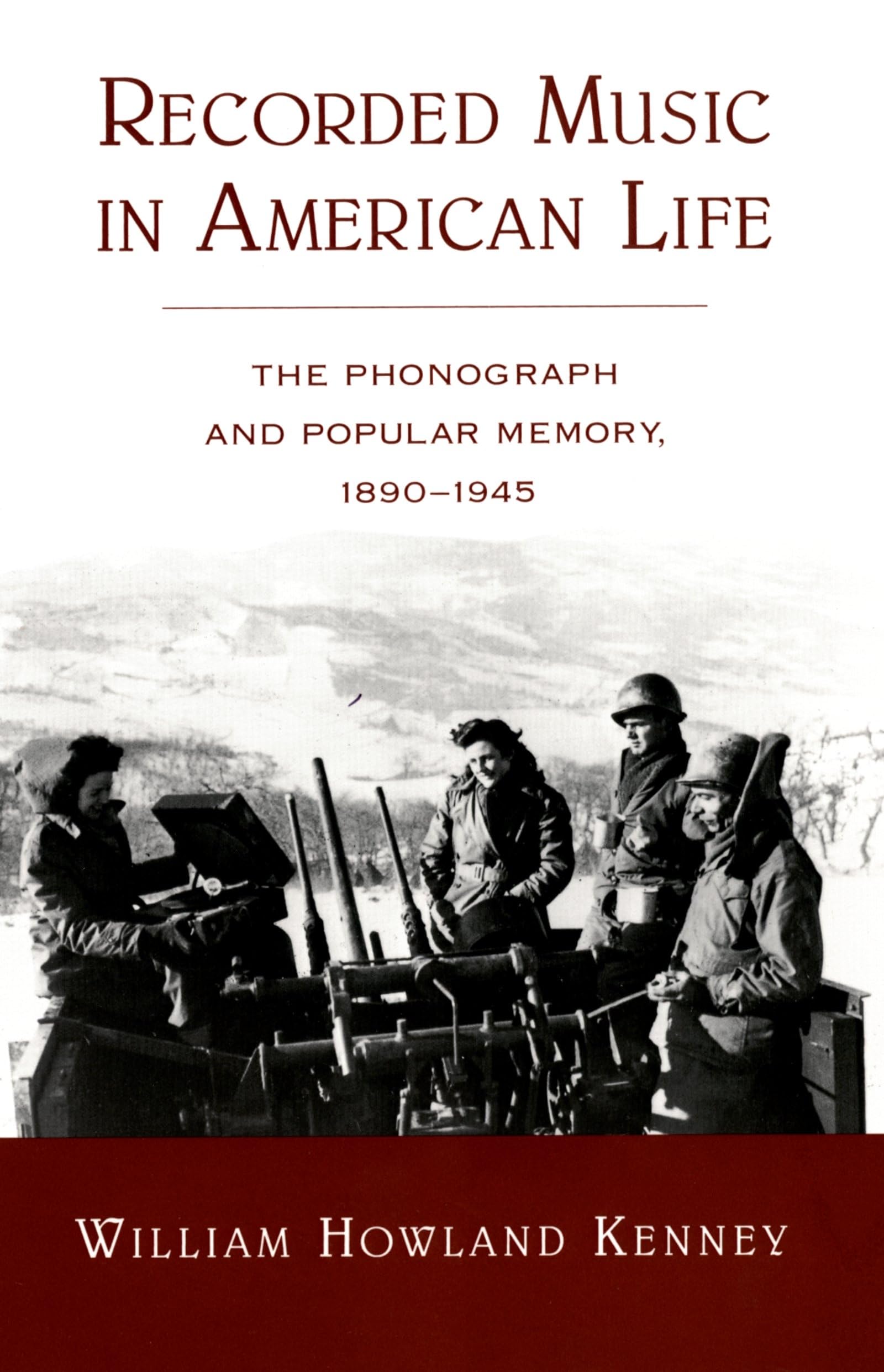
Here, Kenney examines the interplay between recorded music and the key social, political, and economic forces in America during the era of the phonograph's rise and decline as the dominant medium of popular recorded sound--from the appearance of the first commercial recordings to the postwar years when the industry became more complex and less powerful. He argues that the phonograph and the recording industry served neither to impose a preference for high culture nor a degraded popular taste, but rather expressed a diverse set of sensibilities whereby various sorts of people found pleasure. As detailed in this study, recorded music provided the focus for active recorded sound cultures, in which listeners shared what they heard and expressed important dimensions of their personal lives by way of their involvement with records and record-players. "Kenney captures the imagination as he weaves together detail and insight, chronicling strains of elitism within the various recording companies and the adoption of jazz tunes and other popular music....This book is a must read for those interested in the recording industry or the history of popular music. It also sets a high standard for graduate students seeking to read works that incorporate excellent research technique and understanding with superb writing."-- Journal of History "Detailed studies of the phonograph and recorded music are seriously lacking. A book such as this is long overdue, and Kenney's work will open the field of study in a most appropriate and scholarly manner. This is a valuable and useful contribution to the study of American life."--Sam Brylawski; Motion Picture, Broadcasting, and Recorded Sound Division; Library of Congress "At last someone has attempted to place the phonograph industry in the context of America's cultural life. This book provides the first systematic attempt at integrating the entertainment medium broadly into twentieth-century American life . . . makes claims that have been in need of debate for some time now."--Victor Greene, University of Wisconsin-Milwaukee "A fascinating exploration of the topic and addition to the literature; highly recommended for all libraries."-- Choice "In this comprehensive study, Kenney provides a long-overdue update of histories such as Roland Gelatt's The Fabulous Phonograph: From Tin Foil to High Fidelity ...[he] asks innovative theoretical questions."-- American Historical Review Covers the early years of the recorded sound industry, and its close interaction with American culture and society "Kenney captures the imagination as he weaves together detail and insight, chronicling strains of elitism within the various recording companies and the adoption of jazz tunes and other popular music....This book is a must read for those interested in the recording industry or the history of popular music. It also sets a high standard for graduate students seeking to read works that incorporate excellent research technique and understanding with superb writing."-- Journal of History "Detailed studies of the phonograph and recorded music are seriously lacking. A book such as this is long overdue, and Kenney's work will open the field of study in a most appropriate and scholarly manner. This is a valuable and useful contribution to the study of American life."--Sam Brylawski; Motion Picture, Broadcasting, and Recorded Sound Division; Library of Congress "At last someone has attempted to place the phonograph industry in the context of America's cultural life. This book provides the first systematic attempt at integrating the entertainment medium broadly into twentieth-century American life . . . makes claims that have been in need of debate for some time now."--Victor Greene, University of Wisconsin-Milwaukee "A fascinating exploration of the topic and addition to the literature; highly recommended for all libraries."-- Choice "In this comprehensive study, Kenney provides a long-overdue update of histories such as Roland Gelatt's The Fabulous Phonograph: From Tin Foil to High Fidelity ...[he] asks innovative theoretical questions."-- American Historical Review Covers the early years of the recorded sound industry, and its close interaction with American culture and society William Howland Kenney is Professor of History and American Studies at Kent State University. He is also a jazz clarinetist and the author of Chicago Jazz: A Cultural History (OUP, 1993). William Howland Kenney is Professor of History and American Studies at Kent State University. He is also a jazz clarinetist and the author of Chicago Jazz: A Cultural History (OUP, 1993).
More Information
| Gtin | 09780195171778 |
| Mpn | 10pp Halftones |
| Age_group | ADULT |
| Condition | NEW |
| Gender | UNISEX |
| Product_category | Gl_book |
| Google_product_category | Media > Books |
| Product_type | Books > Subjects > Arts & Photography > Music > Musical Genres > Popular |