
Description
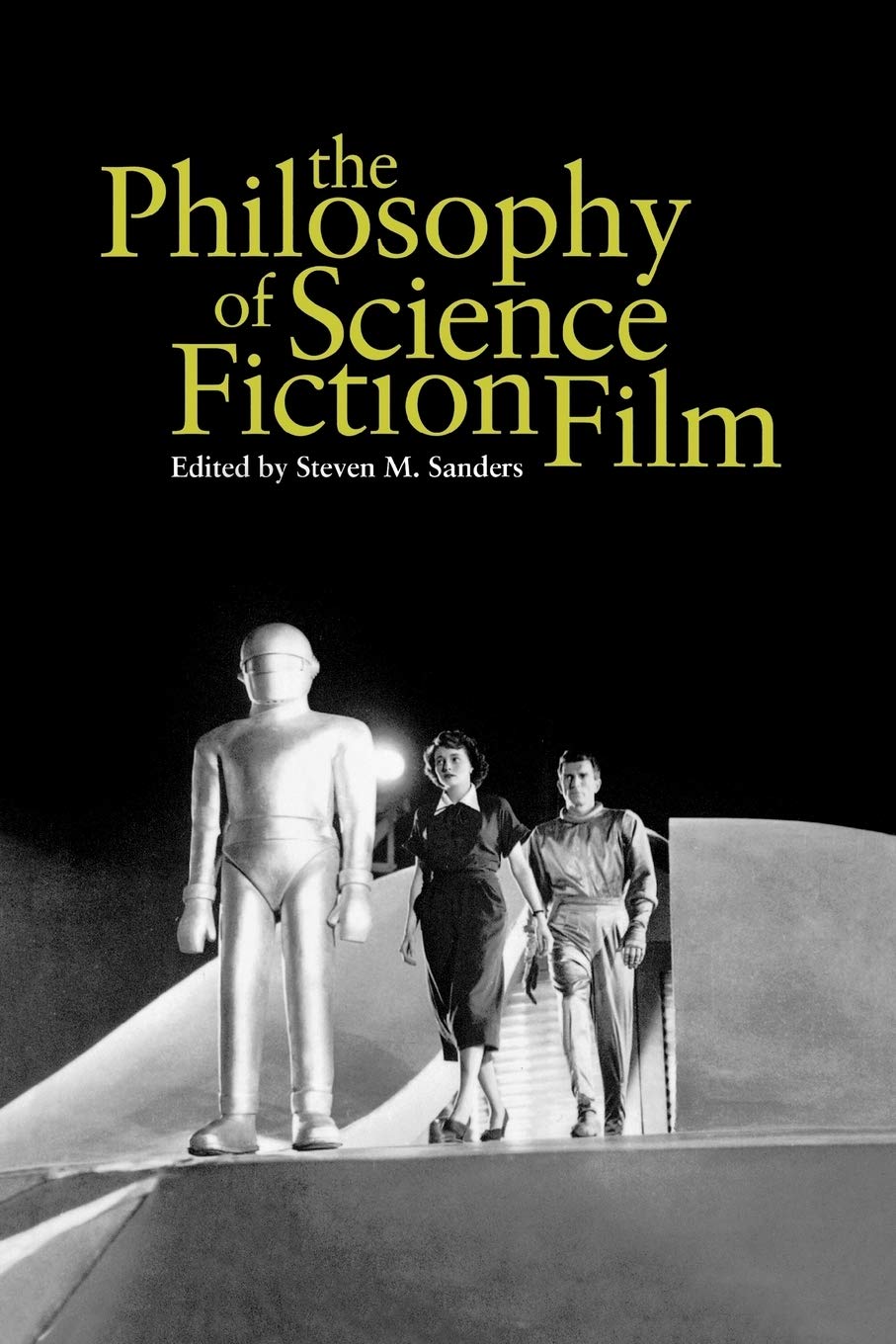
The science fiction genre maintains a remarkable hold on the imagination and enthusiasm of the filmgoing public, captivating large audiences worldwide and garnering ever-larger profits. Science fiction films entertain the possibility of time travel and extraterrestrial visitation and imaginatively transport us to worlds transformed by modern science and technology. They also provide a medium through which questions about personal identity, moral agency, artificial consciousness, and other categories of experience can be addressed. In The Philosophy of Science Fiction Film, distinguished authors explore the storylines, conflicts, and themes of fifteen science fiction film classics, from Metropolis to The Matrix. Editor Steven M. Sanders and a group of outstanding scholars in philosophy, film studies, and other fields raise science fiction film criticism to a new level by penetrating the surface of the films to expose the underlying philosophical arguments, ethical perspectives, and metaphysical views. Sanders's introduction presents an overview and evaluation of each essay and poses questions for readers to consider as they think about the films under discussion.The first section, "Enigmas of Identity and Agency," deals with the nature of humanity as it is portrayed in Blade Runner, Dark City, Frankenstein, Invasion of the Body Snatchers, and Total Recall. In the second section, "Extraterrestrial Visitation, Time Travel, and Artificial Intelligence," contributors discuss 2001: A Space Odyssey, The Terminator, 12 Monkeys, and The Day the Earth Stood Still and analyze the challenges of artificial intelligence, the paradoxes of time travel, and the ethics of war. The final section, "Brave Newer World: Science Fiction Futurism," looks at visions of the future in Metropolis, The Matrix, Alphaville, and screen adaptations of George Orwell's 1984. "In The Philosophy of Science Fiction Film, Steven Sanders and company guide us through apocalyptic visions of robotic rampages and mysterious journeys through space and time, stopping along the way for philosophical snapshots that enhance the tour." ―Eric Bronson, editor of Poker and Philosophy: Pocket Rockets and Philosopher Kin "I can recommend this book to philosophy students and their teachers, along with the rest of us who are still searching to answers to the mystery of humanity and its place in the cosmos." ―Armchair Interviews "[These] essays, all by outstanding film scholars, that offer a comprehensive overview of the subject. Recommended."― Choice " The Philosophy of Science Fiction Film is a successful volume. Pedagogues, both of philosophy and of film, will find the book a useful compendium of ideas." ―Neil Easterbrook, Science Fiction Studies "The Philosophy of Science Fiction Film manages to be simultaneously a collection of thoughtful and engaging scholarly work and a collection of thoughtful and engaging scholarly work and a substantive and appealing discussion of many of the most compelling science fiction films. Readers who enjoy tracing science fiction's philosophical roots will find it extremely worthwhile reading." ―Jo Ann Circosta, Rain Taxi "The Philosophy of Science Fiction Film offers erudite insights that are thoughtful and thought-provoking, superb examples of scholarship, and a seminal contribution to the study of science fiction films." ―thephilosopherschair.com, Midwest Book Review "This volume focuses on teh application of philosophical methods . . . [ane] deals exclusively with classic science fiction films."― Scope From Metropolis (1927) to The Matrix (1999), science fiction films have captivated audiences worldwide for more than seven decades. In recent years, philosophers have turned their eyes towards the same screen, attracted by the salient storylines, conflicts, and themes nestled amongst the new technologically and time altered landscapes. They have discovered that science fiction films offer more than an imaginative escape from the real world -- they also provide a rich medium through which to address issues of identity, consciousness, agency, space, time, causality, and other categories of experience. Editor Steven M. Sanders argues that the appeal of science fiction films has led to a proliferation of misguided interpretations and weak arguments in the film criticism of the genre. The Philosophy of Science Fiction Film aims to restore integrity to science fiction film criticism by penetrating the surface of the films in order to unearth the presupposed philosophical arguments, ethical perspectives, and metaphysical views that underlie them. The first section, "Enigmas of Identity and Agency" treats issues of identity, moral agency, and the meaning of being human in films such as Total Recall (1990), Blade Runner (1982), and Invasion of the Body Snatchers (1956). In the second part, "Extraterrestrial Visitation, Time Travel, and Artificial Intelligence," contributors dissect such films as 2001: A Space Odyssey, The Term
More Information
| Gtin | 09780813192604 |
| Mpn | 9780813192604 |
| Age_group | ADULT |
| Condition | NEW |
| Gender | UNISEX |
| Product_category | Gl_book |
| Google_product_category | Media > Books |
| Product_type | Books > Subjects > Humor & Entertainment > Movies > Genre Films > Science Fiction & Fantasy |