
Description
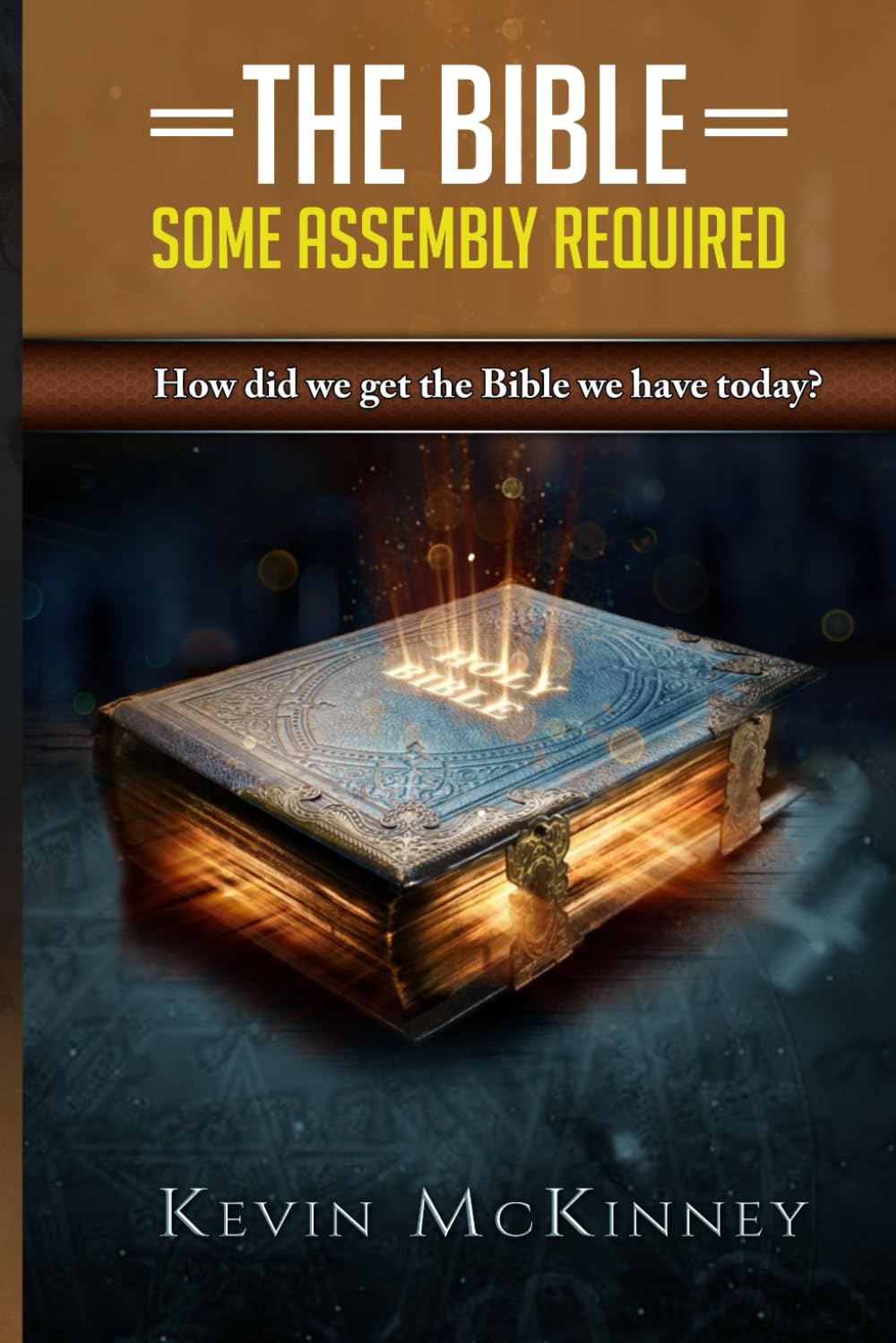
The Bible is the inspired word of God, but is the Bible we read today the same Bible our ancestors read? For centuries, meetings of church leaders have been held to discuss and clarify the contents of the Bible. These included many arguments, disagreements, and controversies before the proper Books of the Bible could be decided upon. Questions and curiosities about the Bible are not limited to non-believers. Saint Paul in 1 Thessalonians tells us we should not take things at face value. “...examine everything; hold firmly to that which is good.” (1 Thessalonians 5:21) - Don’t be afraid to ask questions, to seek the truth. When and how were the books that make up the modern Bible decided upon? Why are there multiple translations of the Bible? Why do some Bibles have 66 books while others have 73 and still others 80 books? Who were the people involved? Which were the most important ancient manuscripts? Do the Dead Sea Scrolls contradict or confirm the Bible? How do the ancient manuscripts found in the Nag Hammadi Library fit into Bible History, and why were the Apocrypha Books excluded from the Bible? Persecuted and outlawed, the early Christians fought to follow their faith and compile a canon of selected scripture, which has endured for nearly twenty centuries. Answers can be difficult, but there are many sources of information available from ancient times and some of the most reliable historians of antiquity. A vast number of ancient manuscripts exist to help confirm what we have today is the Bible the early church leaders intended. The Bible is the greatest story ever told, but there was some assembly required. "But in your hearts set Christ apart as holy [and acknowledge Him] as Lord. Always be ready to give a logical defense to anyone who asks you to account for the hope that is in you, but do it courteously and respectfully." - (2 Peter 3:15) At what point did the various books and writings become the Holy Bible? When were they first collected into a single Book? Who decided which books would be included and which would be left out? How can we be certain they have been properly translated for more than 3,000 years? Examine the evidence for yourself. There should be no mistake, the canon of the New Testament was not settled among early church leaders without some dispute, argument and even controversy. Eusebius wrote his account of "Church History" in 325 A.D. While Eusebius is not without his critics and cannot be considered the final authority on this subject, his writings do offer us a great deal of insight into the controversy and struggle the early church encountered with some books of the Bible. Kevin McKinney was born in St. Louis MO in 1968. He was the only child of Jay and Mary McKinney. Kevin enjoys biblical research, especially concerning archaeology, and encourages everyone to seek the truth through research and study. As St. Paul tells us, we should test all things, hold fast to what is good. With more than 40 years of writing experience, Kevin brings his unique perspective to his books which are intended to promote thought, examination, and hopefully insight. First comes faith, then comes validation.
More Information
| Gtin | 09798537489986 |
| Age_group | ADULT |
| Condition | NEW |
| Gender | UNISEX |
| Product_category | Gl_book |
| Google_product_category | Media > Books |
| Product_type | Books > Subjects > Religion & Spirituality > Christian Books & Bibles > Bible Study & Reference > Bible Study > Guides |