
Description
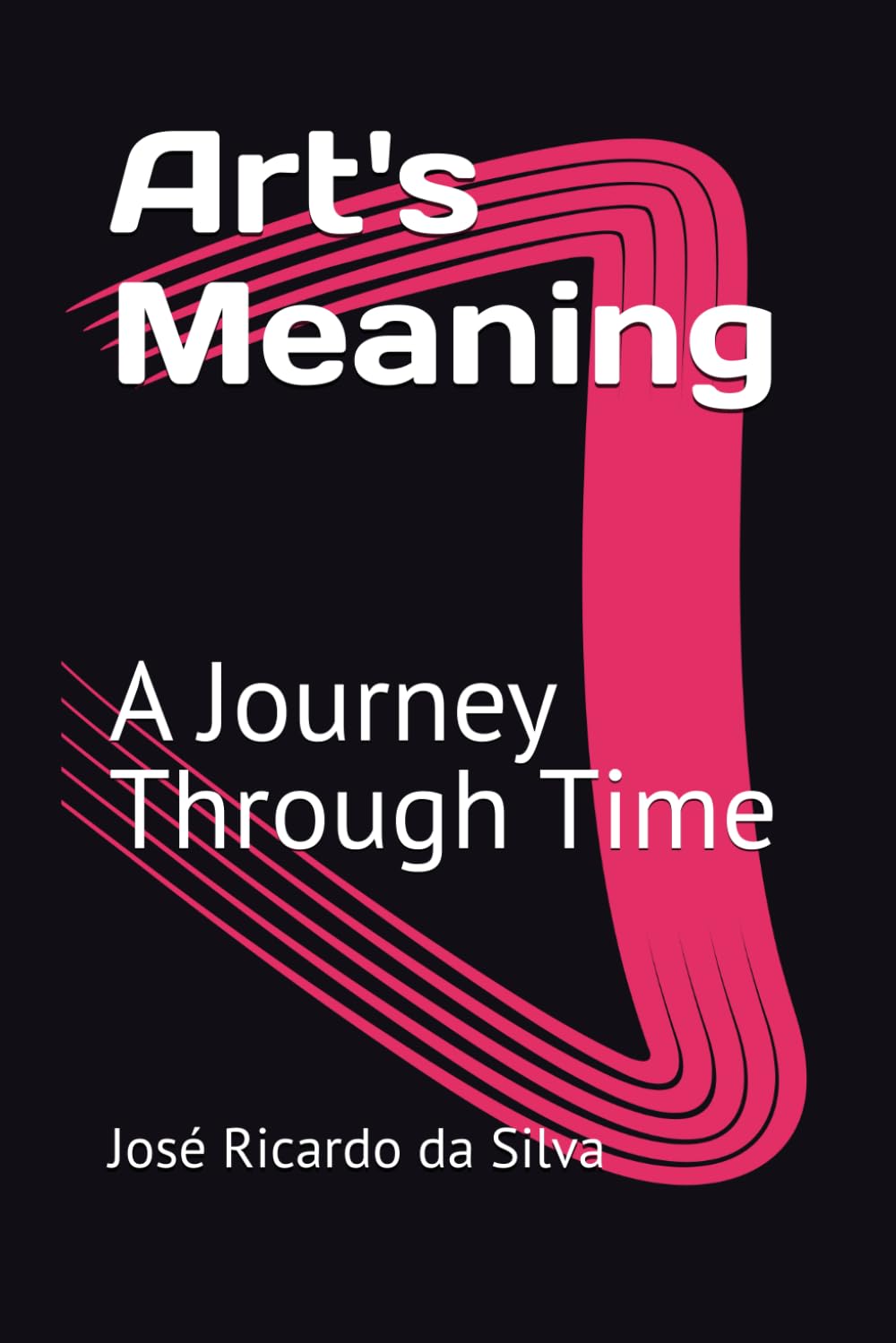
What´s "art": Is it an inherent quality, a maker's skill, an articulated concept, or a viewer's evoked experience? This book, an invitation to explore art's multifaceted world, begins at the dawn of human expression. It delves into when utilitarian objects like flint tools or clay pots first gained symbolic resonance or intentional aesthetic appeal transcending practical function. The text then confronts the challenge of defining art. What criteria distinguish art from other objects or natural phenomena? Is it mimesis (faithful imitation of reality), emotional expression, harmonious formal qualities (line, color, shape), or, as contemporary theories suggest, simply what the "artworld" (artists, critics, curators, academics) designates as art? The journey continues through art's complex relationship with societal structures. It investigates how art has been historically employed by power wielders—pharaohs, emperors, popes, dictators, democracies—to project authority, legitimize rule, construct narratives of glory, and propagate ideologies. Examples include the Parthenon in Athens, symbolizing Athenian democracy, imperial ambition, and divine honor, and Michelangelo's David, a potent emblem of Florentine republican defiance. The formation of art history, its traditions, and value determination are then examined. The text traces "Art History" as a discipline from Vasari's Renaissance biographies to critical contemporary approaches. It dissects "art movements" (Renaissance, Baroque, Impressionism, Cubism), questioning their linear progression narratives. The crucial role of museums and exhibitions in shaping the "canon"—the debated body of works deemed of highest significance—is highlighted. Reputations like Leonardo da Vinci’s Mona Lisa are shown to be meticulously constructed, while neglected artists like Vermeer or Van Gogh can be rediscovered, transforming artistic value and historical understanding. Modern art's narrative is one of rupture and revolution. Photography's 19th-century invention, capturing "reality" objectively, challenged painting’s mimetic preeminence, becoming a catalyst for innovation. Painting sought new purposes; artists like Claude Monet ("Impression, Sunrise") shifted from meticulous depiction to capturing fleeting sensory experiences and subjective perceptions, paving the way for abstract art. The text aims to unpack why works like Jackson Pollock's splatters or Piet Mondrian's geometric compositions are groundbreaking, moving beyond dismissals by exploring their historical context, formal ambitions, and conceptual underpinnings. In the 20th and 21st centuries, the text navigates the avant-garde, modernism, conceptual art, and diverse contemporary practices. Andy Warhol's Campbell's Soup Cans exemplify artists pushing boundaries, questioning originality and authorship, and critically engaging with social, political (consumer culture), and technological shifts. Art's role in shaping identity—signifying social status, articulating political dissent (Mexican Muralism, feminist art), or fostering communities (cult films)—is considered. Works like "Citizen Kane" or Beethoven's 9th Symphony demonstrate art traversing "high" and "low" cultural lines, accruing new meanings over time. Finally, the exploration reaches the current digital age. It questions how new technologies (digital art software, internet platforms, AI-generated imagery) reshape artistic creation, distribution, consumption, and reception. It considers globalization's impact on a Western-centric art historical canon, bringing new voices forward, and asks who defines art in an era of algorithmic curation and virtual influencers, probing the future meanings of art.
More Information
| Gtin | 09798292624912 |
| Age_group | ADULT |
| Condition | NEW |
| Gender | UNISEX |
| Product_category | Gl_book |
| Google_product_category | Media > Books |
| Product_type | Books > Subjects > Arts & Photography > History & Criticism > Criticism |