
Description
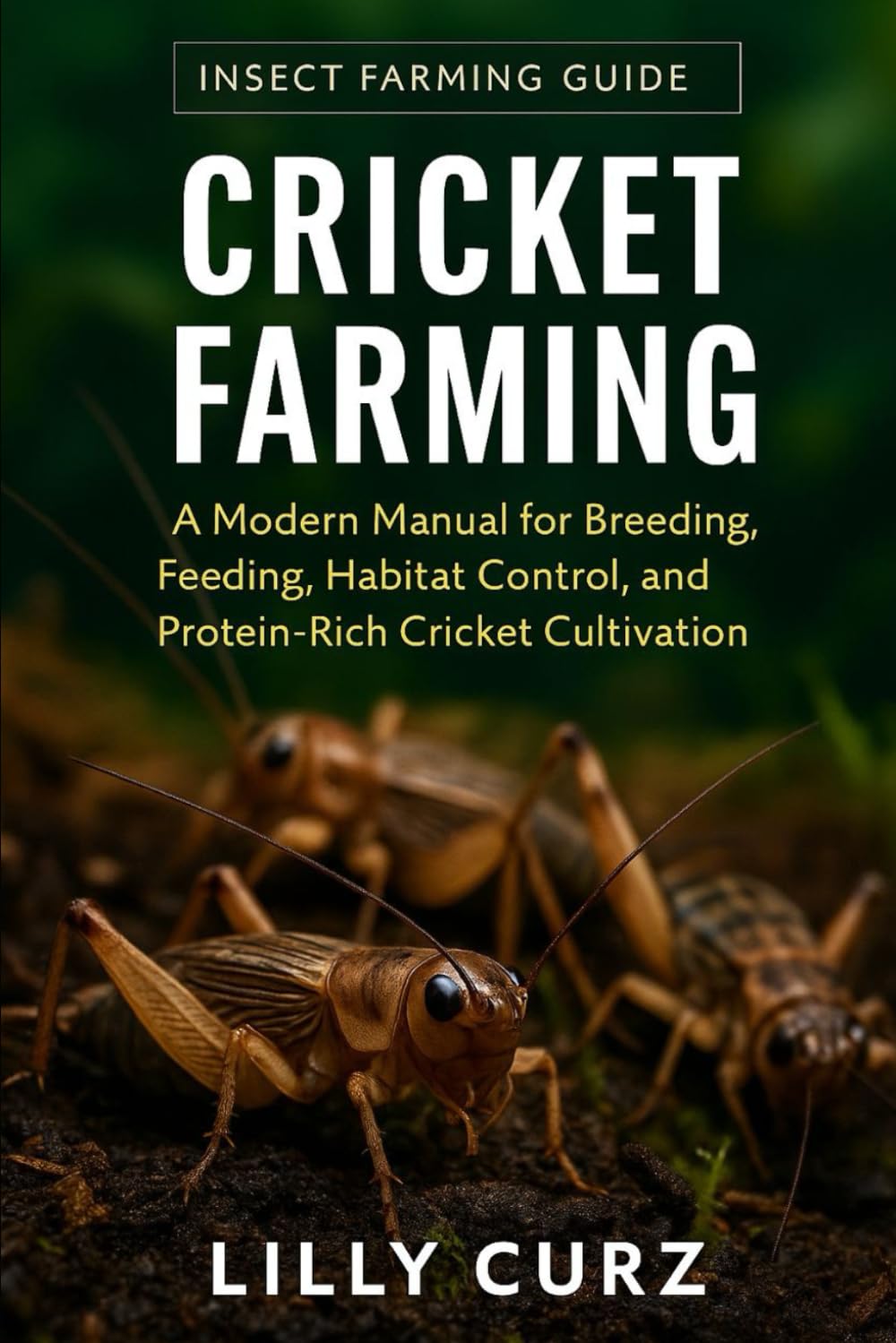
Insect farming is the organized and systematic breeding, rearing, and management of insects under controlled conditions for commercial, nutritional, and environmental purposes. Unlike the opportunistic gathering of wild insects that has existed for centuries, insect farming applies the same principles used in other livestock industries: selective breeding, feed optimization, disease control, and environmental regulation. The practice is rooted in the understanding that insects are the most diverse group of organisms on Earth, with over one million described species. Of these, only a small fraction are potentially useful to humans as food, feed, or sources of valuable bioproducts such as chitin and bioactive compounds. Insect farming provides a controlled environment to maximize growth, reproduction, and yield while minimizing losses due to disease, predation, or inconsistent supply. Historical Background Human consumption of insects — known as entomophagy — has ancient origins. Archaeological records and ethnographic evidence show that insects have been part of human diets in Africa, Asia, and Latin America for thousands of years. In traditional societies, insects such as termites, locusts, caterpillars, and beetle larvae were not considered emergency foods but seasonal delicacies, appreciated for their rich flavor and nutrition. The transition from wild harvesting to organized farming began in the late twentieth century as populations grew, wild insect availability became inconsistent, and environmental degradation threatened traditional harvesting sites. Farmers and researchers began experimenting with small-scale rearing, leading to more controlled and repeatable production systems. Among the earliest successes was the domestication of the house cricket (Acheta domesticus), a species that adapted well to confined rearing and artificial diets.
More Information
| Gtin | 09798273173750 |
| Age_group | ADULT |
| Condition | NEW |
| Gender | UNISEX |
| Product_category | Gl_book |
| Google_product_category | Media > Books |
| Product_type | Books > Subjects > Science & Math > Biological Sciences > Animals > Insects & Spiders |