
Description
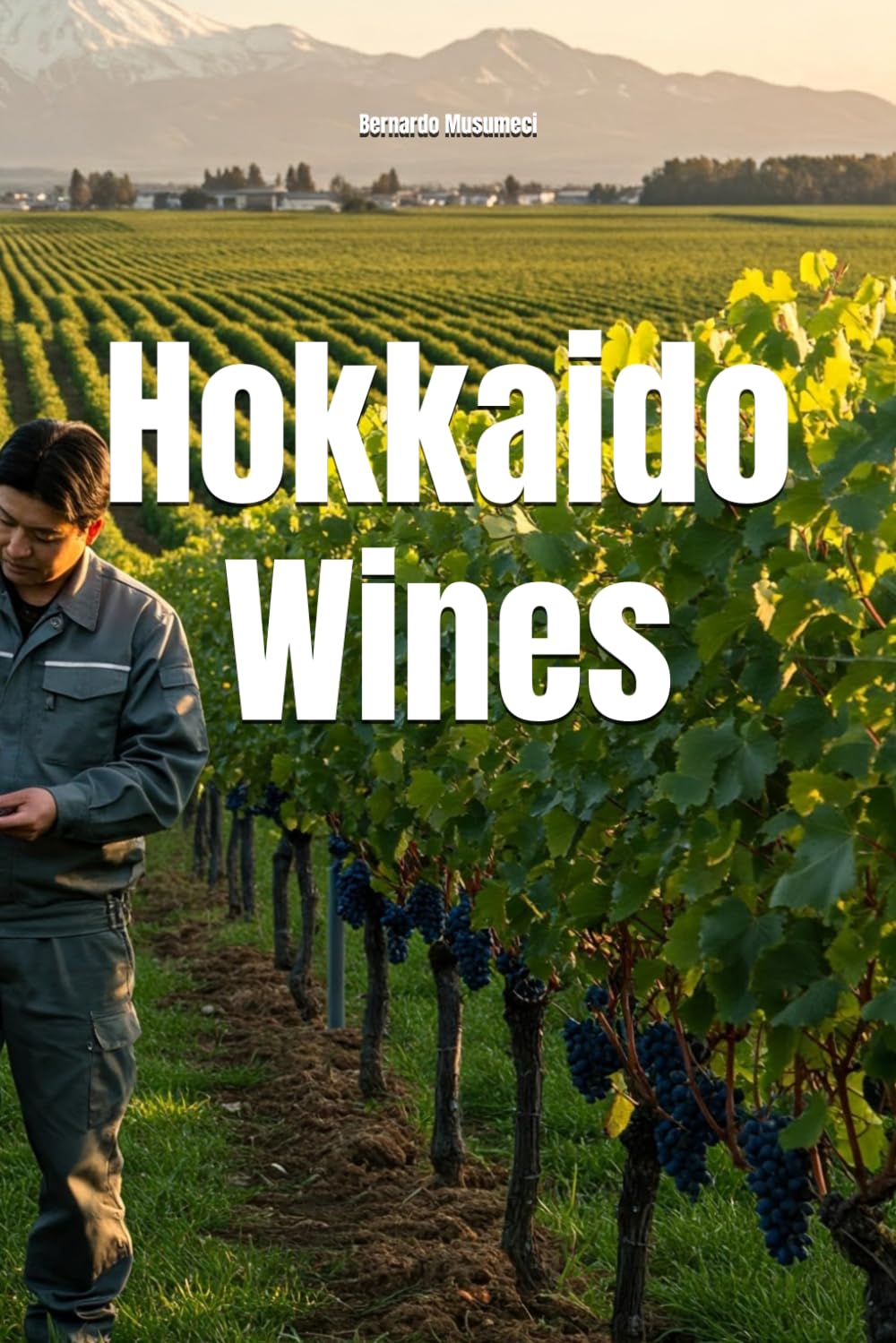
Characteristics and Context: Context: Hokkaido challenges the traditional perception of Japan as a producer, specializing in cool-climate wines. Its rise represents a diversification in the Japanese wine landscape. Climate and Terroir: The climate is classified as humid continental, with long, harsh winters (snow as insulation) and short, cool summers, which favors the preservation of natural acidity and the slow development of aromas and complexity in the grapes. The significant daily temperature range is crucial. Soils and Topography: The island has diverse soils, including volcanic (Andosols), clay, sandy, and stony soils. Good drainage is essential due to rainfall. Vineyards are strategically planted on slopes or elevated areas (facing south, southeast, or southwest) to maximize sun exposure, optimize natural drainage, and protect against the accumulation of cold air and frost ("frost pockets"). Informal sub-regions such as Yoichi (maritime influence), Sorachi, and Tokachi exhibit particularities. Wine Styles: The standout styles are fresh and aromatic white wines, elegant sparkling wines (traditional method), and, in smaller volumes, light and fruity reds with soft tannins. Grape Varieties: The selection of resistant grape varieties is fundamental: Hybrids and Adapted (Production Basis): Yamasachi: A prominent local hybrid red grape variety with exceptional cold resistance. It produces deep-colored reds with vibrant acidity and a complex aromatic profile (dark fruits, herbaceous/spicy notes), and is considered a regional symbol. Kerner: A white variety of Vitis vinifera (cross between Trollinger and Riesling) that has adapted well to cold. Valued for its lively acidity and aromas of fresh white fruits and citrus nuances. Bacchus: Another German white (early ripening), which offers aromatic elegance, with floral and fruity notes (peach, apricot). Other varieties: Niagara, Campbell Early, and PIWI varieties (resistant to fungal diseases, such as Solaris) are being tested for sustainability. Experiments with Traditional Vitis vinifera: Pinot Noir: Shows potential in microclimates such as Yoichi (moderated by maritime influence), producing light, delicate, and elegant wines with vibrant acidity and aromas of fresh red fruits. Chardonnay: Used for dry whites and sparkling wines, it presents marked acidity and notes of crisp orchard fruits. Riesling: Its cultivation is very limited and challenging due to the late ripening cycle and risk of autumn frosts. Koshu: Not adapted to the cold and humid climate of Hokkaido. Wine Farming Practices (Adaptation to Extreme Cold): Winter Protection: The most emblematic practice is burying the vines after autumn pruning, covering them with soil to protect them from extreme cold and snow. Management: Late pruning and the use of tall training systems (such as the high Guyot) are crucial to optimize ripening during the short growing season. Disease Control: Choosing resistant varieties and constant monitoring are necessary to combat fungal diseases (downy mildew, powdery mildew) exacerbated by summer humidity. Harvest: Manual harvesting is common to ensure quality, with the ideal time determined by the balance between sugar, acidity, and phenolic maturity. Winemaking: Winemaking focuses on purity and freshness, predominantly using stainless steel tanks with strict temperature control.
More Information
| Gtin | 09798251287424 |
| Age_group | ADULT |
| Condition | NEW |
| Gender | UNISEX |
| Product_category | Gl_book |
| Google_product_category | Media > Books |
| Product_type | Books > Subjects > Cookbooks, Food & Wine > Beverages & Wine > Wine & Spirits > Wine Tasting |