
Description
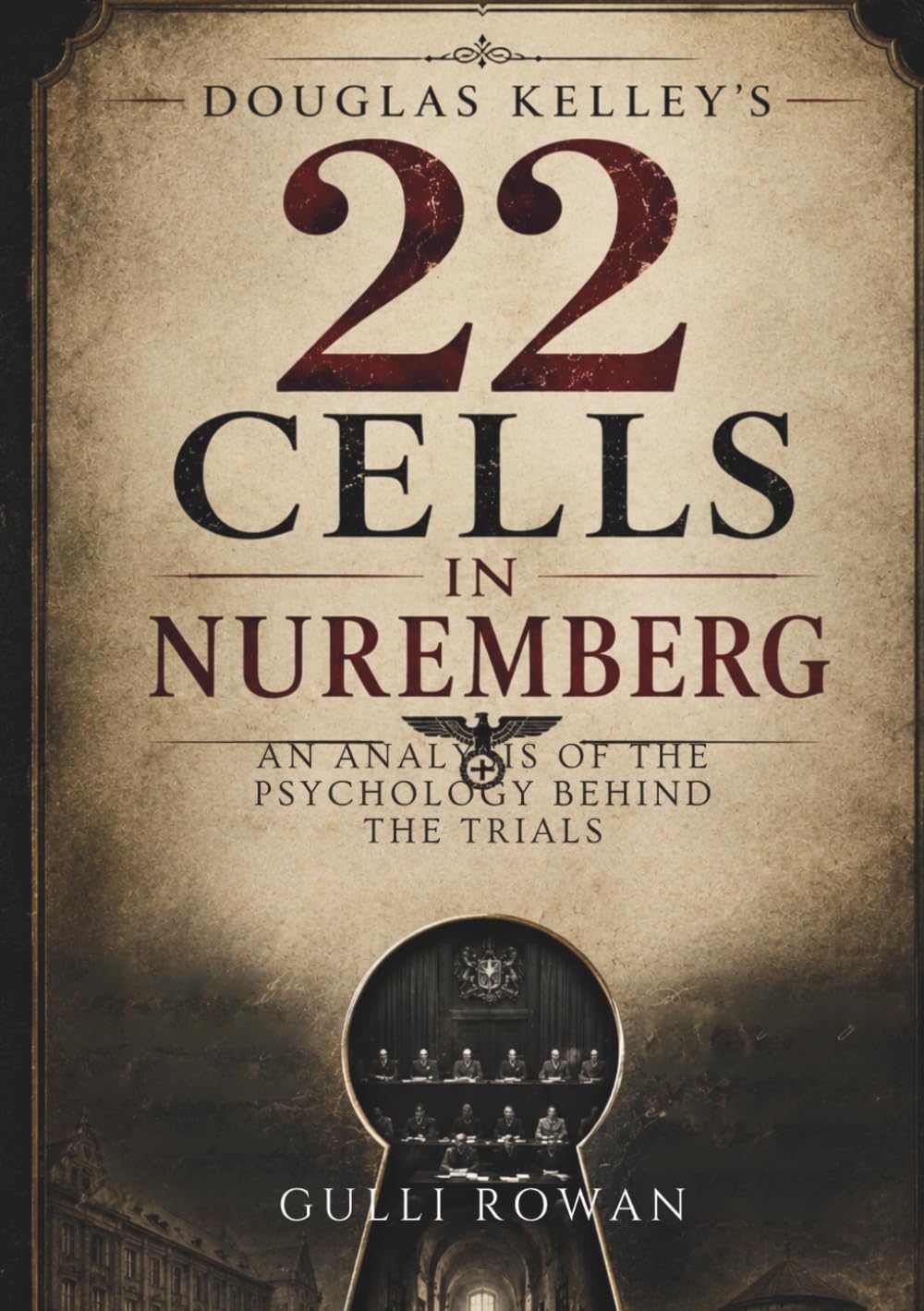
What happens when history's most infamous leaders are stripped of power and placed behind prison bars? In the aftermath of the Second World War, twenty-two of Nazi Germany's most influential political and military leaders awaited trial inside the prison adjoining the Palace of Justice in Nuremberg. Their fate would be decided in one of the most significant legal proceedings in modern history. Yet beyond the courtroom, another extraordinary investigation was taking place. Assigned to evaluate the prisoners was American Army psychiatrist Douglas M. Kelley , whose rare access to the defendants provided an unprecedented opportunity to study the psychology of men who had helped shape one of history's darkest chapters. Through careful observation, psychological testing, and personal interviews, Kelley sought to answer a question that continues to challenge historians, psychologists, and readers around the world: Were these men monsters, or were they ordinary individuals capable of extraordinary evil? Douglas Kelley's 22 Cells in Nuremberg: An Analysis of the Psychology Behind the Nuremberg Trials offers a compelling historical examination of the collapse of the Third Reich, the creation of the International Military Tribunal, and the psychological profiles of the men who stood accused before the world. Rather than simply recounting courtroom events, this book explores the personalities, motivations, beliefs, and decision-making processes that shaped the Nazi leadership, while placing Kelley's groundbreaking work within its broader historical and psychological context. Inside this book, you'll discover: The political and historical events that led to the Nuremberg Trials. - Douglas Kelley's role as chief psychiatrist for the imprisoned Nazi leaders. - The daily lives of the prisoners inside the famous twenty-two cells. - Psychological assessments of Hermann Göring, Rudolf Hess, Albert Speer, and other key defendants. - The role of obedience, propaganda, ideology, and authority in shaping human behavior. - The enduring lessons the Nuremberg Trials offer for modern society, leadership, ethics, and international justice. Written in a rich narrative style and grounded in historical research, this book goes beyond biography to examine the human dimensions of power, responsibility, and moral choice. It is an engaging resource for readers interested in World War II history, forensic psychology, political leadership, international law, and the continuing relevance of the Nuremberg legacy. Whether you are a student of history, a psychology enthusiast, a legal scholar, or simply someone seeking to understand how ordinary individuals can become participants in extraordinary crimes, this book offers an insightful and thought-provoking exploration of one of history's most important moments. History remembers the verdicts. This book explores the minds behind them.
More Information
| Gtin | 09798184570839 |
| Age_group | ADULT |
| Condition | NEW |
| Gender | UNISEX |
| Product_category | Gl_book |
| Google_product_category | Media > Books |
| Product_type | Books > Subjects > History > Europe > Germany |