
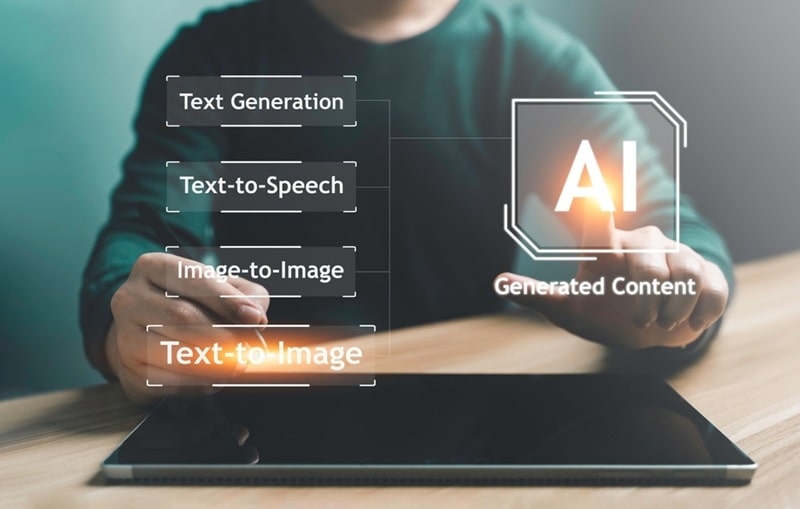
AI Art Generator Explained: How Text Prompts Create Art
Creating visual content used to mean learning design software or hiring someone who already knew it. That gap is shrinking fast. With an ai art generator, anyone can turn a written idea into an image within seconds. You type a few words. The tool does the rest.
This is not magic, and it is not random either. AI art follows a clear process. Once you understand how it works, it becomes easier to get better results and choose the right tools without trial and error.
What Is AI-Generated Art
Before tools and features, clarity matters.
What isi AI-generated art?
It is artwork created by software trained on large image datasets. Instead of drawing lines by hand, the system predicts what an image should look like based on your words. The result is a brand new image, not a copy pasted visual.
For example, if you type "soft pencil sketch of a mountain cabin at sunrise," the system does not pull an existing cabin photo. It builds the image step by step using patterns it has learned from similar scenes.
That is why AI-generated art can look realistic, illustrated, abstract, or stylized depending on how you phrase your prompt.
Discover More: How Brands are Reinventing their Identity with AI Branding?
How an AI Art Generator Actually Works
Most people see the result but never think about what happens in between. An ai art generator follows a predictable flow.
Step One: You Describe the Image
This is the input. A sentence, a phrase, or a detailed description. The clearer the input, the better the output.
Step Two: The Tool Breaks Down Your Words
The system identifies objects, setting, mood, and style. "Portrait," "low light," "oil painting," and "studio background" all mean different things to the model.
Step Three: Image Construction Begins
Using generative ai art models, the tool starts from visual noise and slowly shapes it into an image that matches your description. This happens in layers, not all at once.
Step Four: Final Image Output
You usually get multiple versions. Each one is slightly different. You pick the closest match or refine your prompt.
This same process powers most ai art generation tools available today.
Generative AI Art Without the Technical Jargon
The phrase generative ai art sounds complicated, but the idea is simple.
The system does not remix one image. It learns patterns from many images and uses those patterns to create something new. Think of it like a student who studied thousands of drawings and then created their own version based on memory and practice.
That is why results change every time, even with similar prompts. The tool is predicting visuals, not retrieving files.
Don't Miss: AI Agents Explained: A Beginner's Guide to Understand
Why AI Art Generators Are Being Used Everywhere
The rise of ai art generator tools is not about replacing artists. It is about speed and access.
People use these tools because they:
- Save time on basic visuals
- Reduce dependency on stock images
- Help test creative ideas quickly
- Allow non designers to create usable images
- Support brainstorming and concept work
For example, a blogger can create custom images for posts. A startup can mock up visuals for pitch decks. A marketer can generate social media graphics without waiting on design cycles.
That everyday usefulness is why ai generated art is now common across industries.
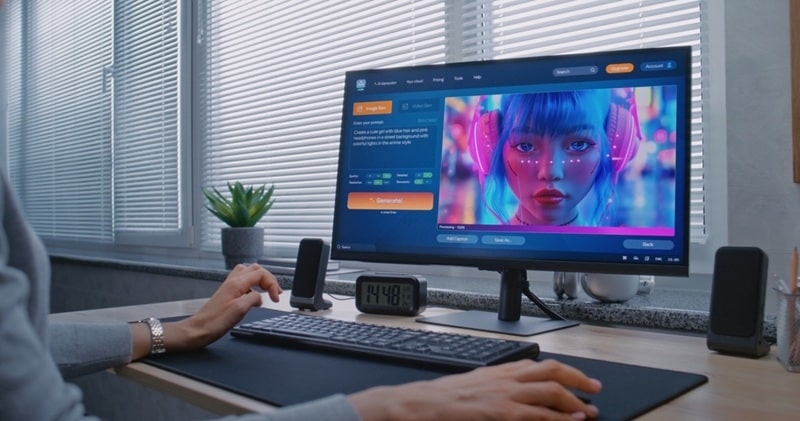
AI Art Generation Tools You Should Know About
Not every platform serves the same purpose. Some tools focus on creativity. Others focus on control or business use. Below are widely used ai art generation tools.
- DALL·E for structured prompts and clarity
- Midjourney for expressive and artistic visuals
- Stable Diffusion for flexibility and customization
- Adobe Firefly for commercial friendly use
- Canva AI for quick and simple designs
Each of these tools competes for the title of top ai art generator, but none fits every use case.
Free AI Art Generators That Are Actually Useful
You do not need to pay upfront to get started. Several free ai art generators offer solid output with limits.
Common options include:
- Canva AI image generation
- Stable Diffusion public models
- DeepAI text to image tools
- Gencraft free usage plans
Free tools usually restrict resolution, speed, or daily credits. Still, they are good enough to understand how ai art generator platforms respond to prompts.
Best AI Art Generator Depends on Your Goal
People often ask for the best ai art generator, but the better question is what you need it for.
- For social media visuals, Canva AI works well
- For creative exploration, Midjourney stands out
- For technical control, Stable Diffusion is strong
- For business safe usage, Adobe Firefly makes sense
The right top ai art generator is the one that matches your workflow, not the one with the loudest hype.
Writing Prompts That Give Better AI Generated Art
Bad prompts lead to weak results. This is where most users struggle.
Simple rules that improve ai generated art output:
- Mention the style you want
- Add lighting or mood details
- Specify background or environment
- Keep ideas focused, not crowded
Instead of writing "modern logo," try "clean black logo with simple geometric lines on a white background." Small changes make a big difference.
Prompt writing is a skill. The more you practice, the better the results from any ai art generation tool.
Things to Keep in Mind Before Using AI Art
AI art comes with responsibility.
Some platforms allow full commercial use. Others do not. Always check usage rights before publishing or selling images. This matters if you plan to use ai generated art for business.
Avoid prompts that directly copy living artists' styles. Respect originality. These tools are powerful, but how you use them matters.
Also check: How AI in Customer Service is Transforming Support Systems?
Where AI Art Generation Is Headed
AI image tools are improving fast. Better detail, stronger editing controls, and smoother workflows are already visible. Text based creation will likely extend into video and animation soon.
For now, ai art generator tools already solve a real problem. They help people create visuals without friction.
FAQs
What is AI generated art in simple terms?
AI generated art is artwork created by software using text descriptions. The system learns visual patterns and builds new images based on your words.
Are free AI art generators good enough?
Free ai art generators are good for learning and basic use. They often limit quality or usage, but they still produce usable results.
Which AI art generator is best for beginners?
Beginners usually do well with simple tools like Canva AI or other free ai art generators that do not require setup or technical knowledge.
Categories
- Arts & Entertainment 100
- Automotive 186
- Business & Professional Services 219
- Construction & Contractors 298
- Clothing & Accessories 76
- Community & Government 95
- Computers & Electronics 74
- Education 75
- Food & Dining 86
- Health & Medicine 186
- Legal & Financial 100
- Home & Garden 179
- Industry & Agriculture 105
- Media & Communications 44
- Personal Care & Services 73
- Real Estate 68
- Shopping 74
- Sports & Recreation 87
- Travel & Transportation 102
- Animals & Pets 11
- Arts 9
- Community 9
- Chain 607
- Computers & Internet 8
- Health Care 10
- Communication & Media 7
- Shopping & Retail 10
- Health & Beauty 9
- Education & Schools 8
- Financial & Legal Services 14
- Home & Office 13
- Lawyers & Legal Services 7
- Financial & Services 1