

AI Business Growth Strategies 2026 for Efficiency and Growth
Small businesses are going through a change in 2026. Things that used to need a lot of people, a lot of money, and a lot of time can now be done faster in a smarter way with the help of artificial intelligence. Artificial intelligence is changing how businesses grow and compete, from helping customers to marketing and from running the business to handling money.
Today, using intelligence to grow a business in 2026 is not just a good idea. It is something that businesses need to do to stay relevant and grow in a way. Small business owners are realizing that using intelligence is not just about following the latest trends. It is about building systems that work well every day.
How are AI Business Growth Strategies 2026 Helping?
In the past, businesses used to try things and see what worked. They would spend time guessing what customers wanted, try approaches, and make changes slowly. Now, artificial intelligence allows businesses to make decisions based on information.
AI for small businesses can look at what customers do, predict what they will want, and make their operations better right away. This means making mistakes and getting better results in less time. Growing a business is no longer about working harder. It is about working using technology that learns and gets better all the time.
Automation is Becoming the Backbone
Automation is one of the changes in 2026. Things that used to take hours can now be done in minutes. Instead of answering customer questions, managing inventory, or planning marketing campaigns by hand, businesses can use smart systems to do these things efficiently.
With business automation tools, even a small team can handle a lot of work. This reduces the amount of work that needs to be done every day and gives business owners time to think about the future, come up with new ideas, and plan for long-term growth.
Personalized Customer Experiences
What customers expect from businesses has changed. People want businesses to understand what they like and give them experiences that are just for them. Artificial intelligence makes this possible by looking at information and predicting what customers will do.
AI for small businesses can suggest products based on what customers have bought before, send them emails that are just for them, and offer them special deals. This kind of touch helps build strong relationships with customers and makes them more loyal over time.
Artificial Intelligence in Marketing Strategies
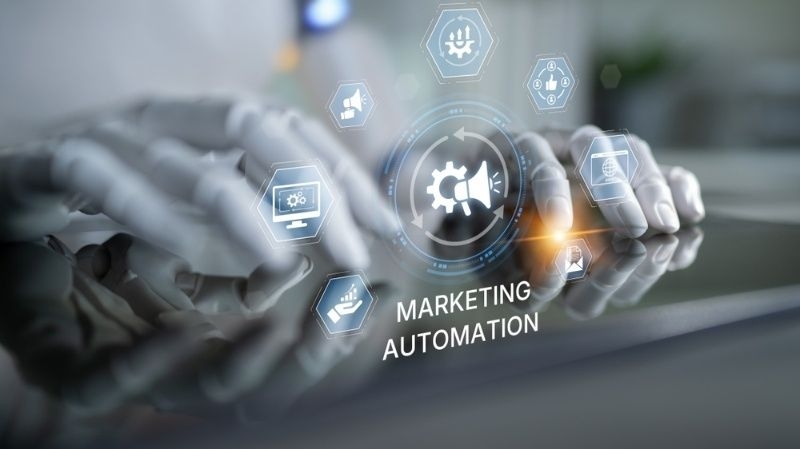
Marketing in 2026 is no longer a guess. Businesses are using information to guide every decision-making in their marketing efforts, making them more effective and efficient.
Current trends in intelligence marketing are about understanding what customers do, automating marketing campaigns, and making sure the right people see them. Businesses can now create content fast, find the audience, and see how well their marketing is working in real time. This approach reduces waste. Improves results in a big way.
These artificial intelligence marketing trends are helping small businesses compete with companies by making marketing smarter and more precise.
Faster Decision-Making with Information
Information has become one of the most valuable things for businesses. Looking at it by hand can be slow and complicated. Artificial intelligence makes this process easier by looking at a lot of information.
With intelligent business growth strategies in 2026, businesses can track how well they are doing, find patterns, and make decisions faster. This ability to act quickly helps businesses stay ahead of their competitors and respond to changes in the market effectively.
Saving Money and Getting a Better Return
Managing costs is a challenge for small businesses. Artificial intelligence helps reduce expenses while getting better results.
By using AI ROI strategies, businesses can focus on what works and get rid of what does not. This includes making the most of marketing budgets, improving operations, and increasing productivity.
These artificial intelligence returns on investment strategies make sure that resources are used in a way that is By spending more money, businesses can get better results by making smarter decisions.
The Role of Digital Transformation
Digital transformation is a part of how businesses grow now. Companies are moving to systems and using technology in their daily work.
The evolution of how people do business in the United States is causing companies to adopt cloud-based solutions for business processes, automate functions, and enhance their customer experience. Businesses that embrace this transformation will be able to respond swiftly to change while staying competitive.
Incorporating digital transformation practices into your organization can give you a leg up on the competition and prepare you for future success.
Smarter Hiring and Workforce Management
Artificial intelligence is also changing how businesses manage the people who work for them. Hiring and managing employees is becoming more efficient and based on data.
With intelligence for small businesses, companies can quickly find the right people, match skills with jobs, and track how they are doing. This helps build teams and makes the business more productive without making the workload bigger.
Enhancing Customer Support
Customer support is another area where artificial intelligence is making a difference. Businesses can now give more consistent service.
With business automation tools, companies can answer customer questions all day and have support systems running all the time. This reduces waiting time. Makes the customer experience better, all while keeping costs under control.
Competitive Advantage Through Innovation
In 2026, innovation is necessary for businesses to grow. Businesses that use intelligence early are seeing better results and getting ahead of the competition.
With business growth strategies using intelligence in 2026, companies can launch products quickly. They can also react to market changes. Make customers more engaged. This helps businesses stay ahead and grow steadily.
Challenges to Consider
Artificial intelligence has benefits. Businesses must think about the challenges, too. Setting up enterprise AI can be costly. Learning the systems and keeping data private are also obstacles.
However, these challenges can be handled with planning. Businesses can take things slowly. Starting with tools and adding more over time makes the transition easier.
How to Start Using Artificial Intelligence in Your Business?
Getting started with intelligence does not have to be complicated. Businesses can start by finding tasks that are repeated and finding tools that can automate them.
Using business automation tools for marketing, customer service, and operations is a good place to start. Over time, businesses can use artificial intelligence as they get more comfortable with the technology.
Final Thoughts
Using artificial intelligence is altering every aspect of small business operations and growth, including automating processes, marketing decisions, and performing key daily tasks more efficiently, all based on the data that has been obtained through these processes.
As more businesses adapt to utilizing intelligent business growth strategies in 2026, they will see a significant decrease in operational costs while providing better service and growing their bottom line.
FAQs (Frequently Asked Questions)
How can small businesses start using AI without technical expertise?
Small businesses can get off the ground with AI through tools like chatbots, email automation, and analytics platforms. Most tools nowadays are so simple that you don't even need to know how to code. Starting small and learning bit by bit is a great way to introduce AI to your business without getting stressed or lost.
Is AI expensive for small businesses to implement?
Not really! There are plenty of cost-effective AI tools out there. Businesses can choose solutions that are both scalable and affordable. Besides, by increasing productivity, AI ends up being a smart investment instead of merely a cost factor.
Can AI replace human employees in small businesses?
AI is actually a tool that complements human abilities and enhances them rather than replacing them. It automates boring and repetitive tasks so that people can dedicate their time to innovating and coming up with ideas. That way, not only does the work get done quicker, but interactions with customers remain warm and personable.
What industries benefit the most from AI in 2026?
Practically all industries use AI nowadays, such as retail, health, finance, marketing, and so on, because wherever there is customer data and business operations, there will also be the opportunity to use AI to great effect. It facilitates, among other things, the improvement of operational efficiency, better decision-making, and overall superior customer experience in a multitude of sectors.
Categories
- Arts & Entertainment 100
- Automotive 186
- Business & Professional Services 219
- Construction & Contractors 298
- Clothing & Accessories 76
- Community & Government 95
- Computers & Electronics 74
- Education 75
- Food & Dining 86
- Health & Medicine 186
- Legal & Financial 100
- Home & Garden 179
- Industry & Agriculture 105
- Media & Communications 44
- Personal Care & Services 73
- Real Estate 68
- Shopping 74
- Sports & Recreation 87
- Travel & Transportation 102
- Animals & Pets 11
- Arts 9
- Community 9
- Chain 607
- Computers & Internet 8
- Health Care 10
- Communication & Media 7
- Shopping & Retail 10
- Health & Beauty 9
- Education & Schools 8
- Financial & Legal Services 14
- Home & Office 13
- Lawyers & Legal Services 7
- Financial & Services 1